I saw this up close for three years in a Vistage CEO peer group. As AI got more popular, everyone in the group was using it to some degree. But when I sat down with a few members one-on-one and showed them what was possible, many of them said some version of the same thing: they'd been using AI, and hadn't realized they were barely using it.
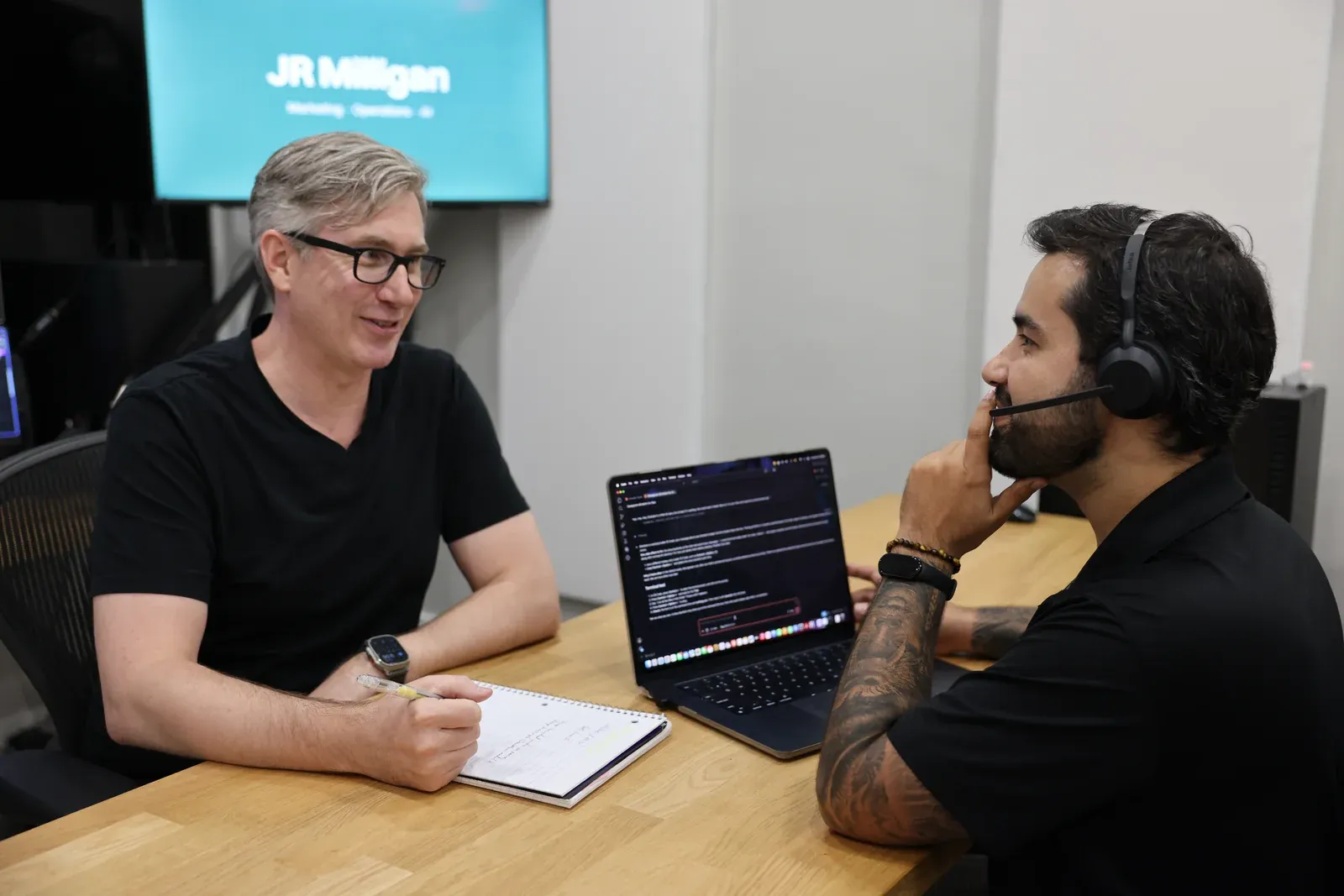
What I saw in a CEO peer group
I watched people who used AI every week discover how little of it they'd been using. The deeper I got into AI, the more I talked about it, and eventually I gave the group a presentation. It was the top-level CEO view: the risks and concerns, the state of things, what AI can do and what it can't. The whole deck is on this site as AI for Business Leaders.
The talk informed people. The one-on-ones were where the wow moments happened. Sitting with one member at a time, I could gauge what they already knew and share what I knew, on their own work. One of them was my executive coach, who now uses AI every day. Once they saw what was possible, they were pretty blown away, and then they started learning to do it themselves.
It also showed me a need that most people don't see, including the people who have it. In hindsight I wish I'd leaned into it sooner.
What barely using it looks like
Barely using AI doesn't look like failure. It looks like a search engine that answers in full sentences. You type a short question, get a reasonable answer, maybe ask a follow-up, and close the tab. It's helping. It's just not helping anywhere near as much as it could.
The people I sat with had touched the tip of the iceberg. What was missing was underneath: no real workflows, no strategy for how to prompt it, and no sense of how to hand AI a longer job and let it work through the steps.
There are a few signs you might be there too.
- You start from a blank chat every time.
- Your prompts are a line or two.
- You take the first answer, or throw it out, but you rarely push back on it.
- You've never given it a document, a template or an example of good work to start from.
- You can't name a task you used to do by hand that AI now does most of.
If several of those sound familiar, you're in good company.
What using it well looks like
Using AI well comes down to four habits: treat it as a thinking partner, give it context, check its work, and hand it whole tasks. The biggest shift is treating AI as a thinking partner rather than an oracle. Most real business questions don't have one right answer, so asking for the answer tends to get you something confident and generic. Asking it to help you think, challenge your assumptions and point out what you're missing gets you much further.
The second shift is context. AI doesn't know your business until you tell it. I coach people to explain the situation, the outcome they want and the environment they work in, and to do it out loud with voice mode, because people say more when they talk than when they type. Give it an example of what good looks like and it can check its own work against that.
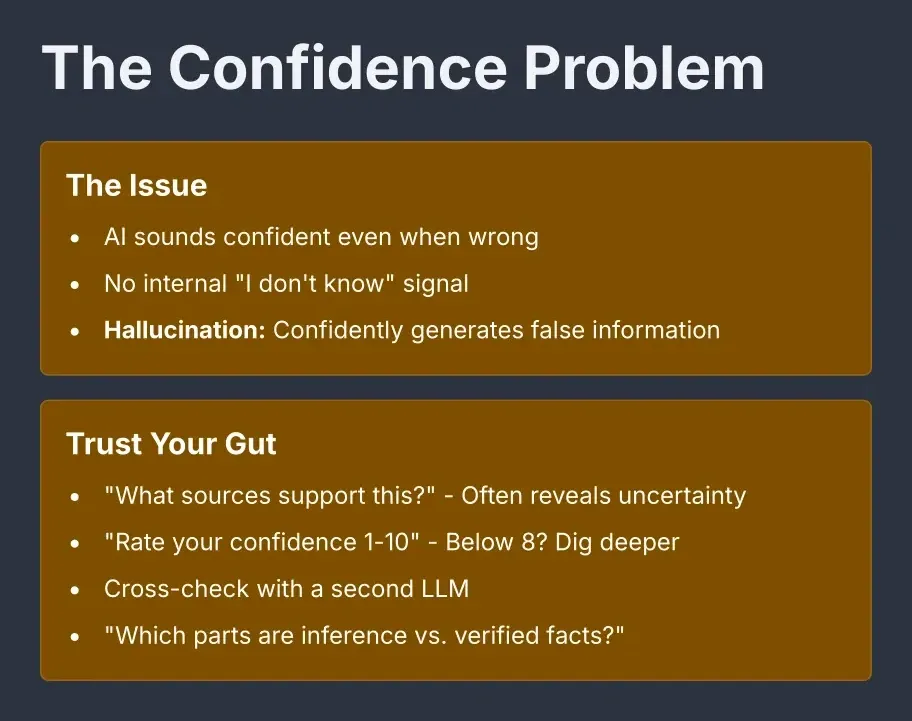
The third is checking. AI sounds just as sure of itself when it's wrong as when it's right, because it has no built-in way of saying it doesn't know. In the talk I called this the confidence problem. Ask what sources support an answer, ask which parts are inference and which are verified, and on anything important, put the same question to a second AI. Where they disagree is where to dig.
The last is handing off. Most people still ask and wait for an answer. The bigger step is giving AI a goal and letting it work out the steps: research a list of prospects and score them, or read through months of customer complaints and pull out the top issues. Agents still need supervision, and results vary from one run to the next, but in my experience this is where most of the unused value sits.
What holds smart people back
Mostly three things: nobody shows you what it can do, fear slows you down, and some companies pay for access instead of skill. Part of it is that nobody shows you. A chat box doesn't advertise what it can do, and the examples most people see have little to do with their own work.
Part of it is fear. People hear the bad press, or get stuck on concerns that turn out not to be that big a deal, and it slows them down before they've really started. Some concerns are real, and I spent a good part of the talk on them. Don't paste customer personal information, financials, passwords or trade secrets into consumer AI tools. Keep people in charge of final hiring decisions, legal sign-off and anything customer-facing. And remember that your company owns what its AI says. Those are reasons to set guardrails, not reasons to wait.
The opposite mistake costs money. Some companies hand employees a big AI budget and assume the spending turns into results. Without people who know how to use it effectively, a lot of that budget simply gets burned.
Where to start
Pick one task you do every week, the kind that eats time you'd rather have back, and do it with AI properly instead of quickly. Give it the whole situation, an example of a good result and your constraints. Ask it to poke holes in its own answer, then check that answer with a second AI.
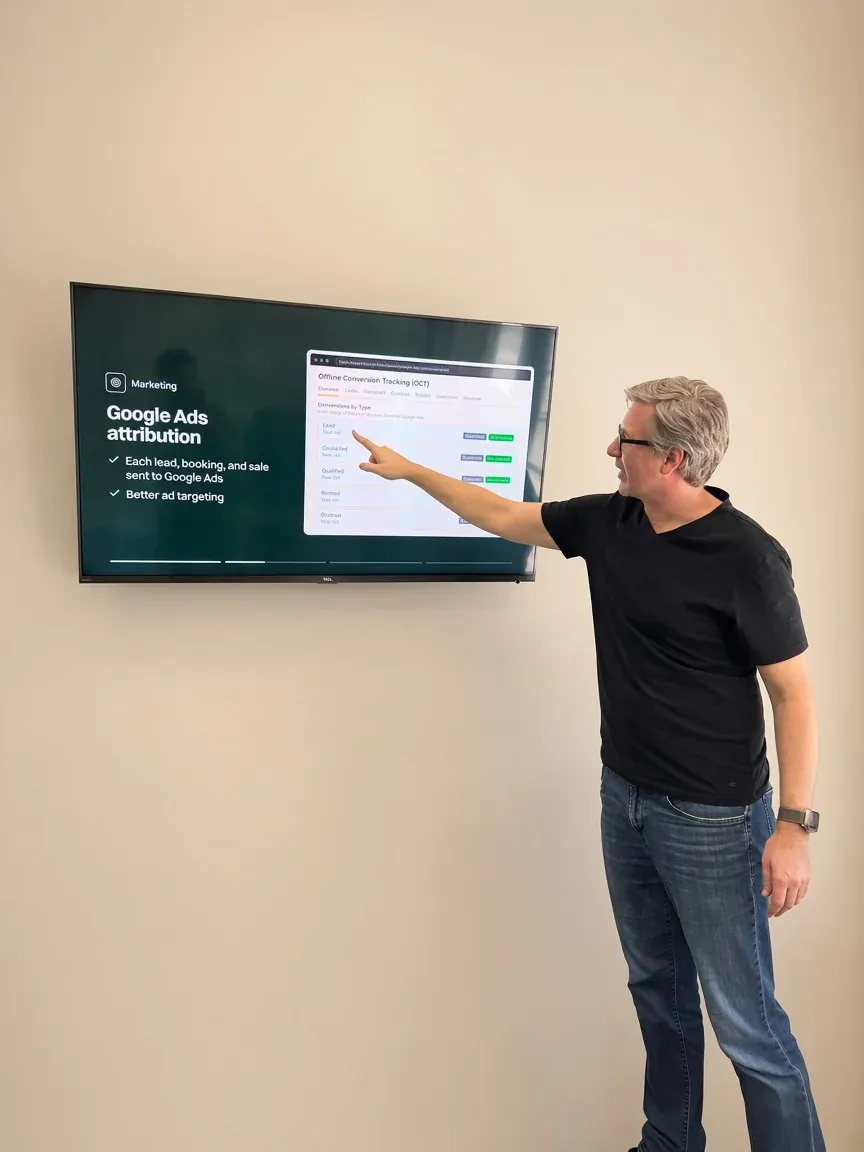
Then get someone to look over your shoulder. The fastest jumps I've seen didn't come from a better list of prompts. They came from sitting with someone who could see how a person actually worked and show them the next step. That's how our AI classes run, on your own computer and your own work. I wrote more about why in Learning AI on YouTube vs. in a room. If you're thinking about AI across a whole company, start with For business owners.
You're already using AI. The part worth your time is everything it can do that you haven't seen yet.